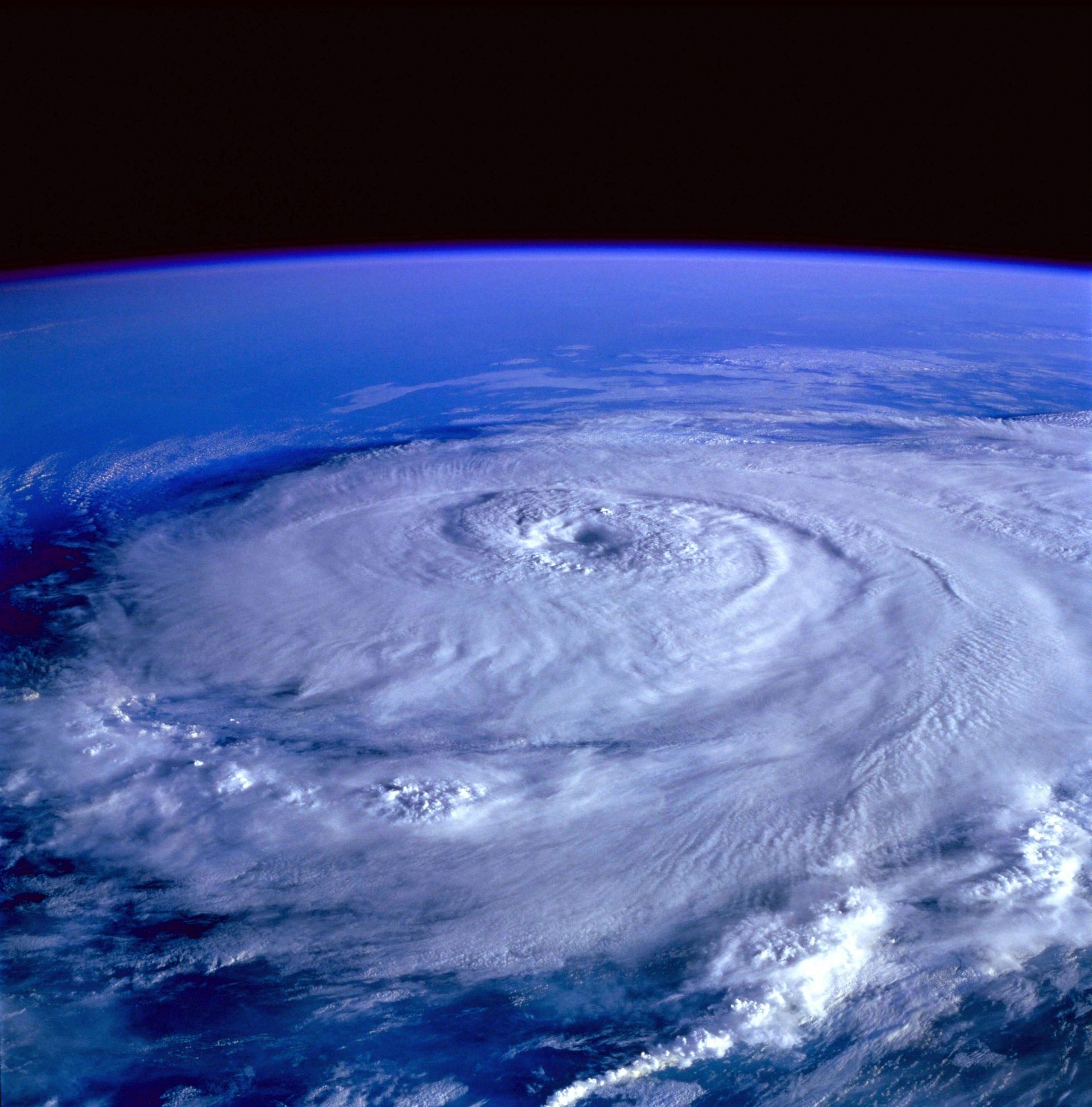

Florida’s 2026 Atlantic hurricane season has been unusually quiet: zero hurricanes so far as of October 2, only five short-lived named storms, and record-low accumulated cyclone energy.
El Niño-driven wind shear has made it difficult for storms to strengthen. Meteorologists are still watching the southern Gulf for possible development around October 8–13, and the Atlantic could potentially finish hurricane-free for the first time on record.
That sounds reassuring, right?
👉 It is, but it is not permission to get complacent.
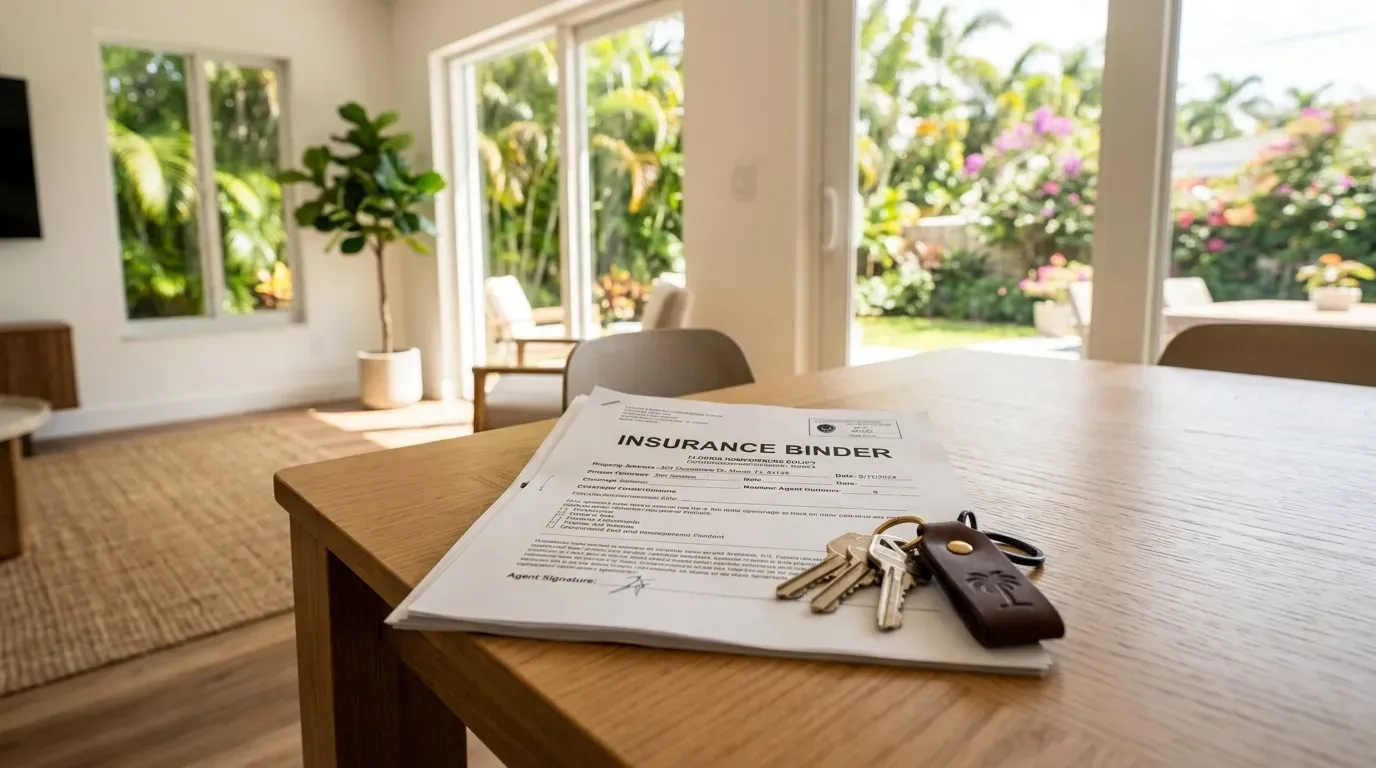
A quiet season is your best opportunity to review your home insurance in Florida, fix coverage gaps, and compare better options. Once a storm is named, insurers may stop binding new coverage or making policy changes. Waiting until the forecast looks threatening can leave you stuck with the policy, and deductible, you already have.
Here are seven mistakes Florida homeowners commonly make during calm seasons, along with the practical fix for each one.
1. Let Your Wind Mitigation Credits Expire
A wind mitigation inspection documents storm-resistant features on your home, such as:
- Hurricane shutters or impact-rated windows
- Roof-to-wall connections
- Secondary water resistance
- Reinforced garage doors
- A newer, code-compliant roof
- Proper roof geometry and construction
These features can qualify you for significant discounts on your homeowners insurance premium. But many Florida homeowners get the inspection once, receive the discount, and then forget about it.
Inspection forms typically have an expiration date. If your insurer no longer has a valid form on file, you may lose the credit at renewal, even if your home has not changed.
The fix: Check your policy documents for a current wind mitigation form. If it has expired or you have never had an inspection, ask your insurance agent whether a new inspection could reduce your premium.
During a quiet season, insurers are also competing more aggressively on price. An updated inspection may be one of the simplest ways to lower your Florida insurance quotes without reducing your coverage.
🎯 Action step: Ask for a wind mitigation review before you request new quotes.
2. Assume Homeowners Insurance Covers Flooding
Standard homeowners insurance generally does not cover flood damage.
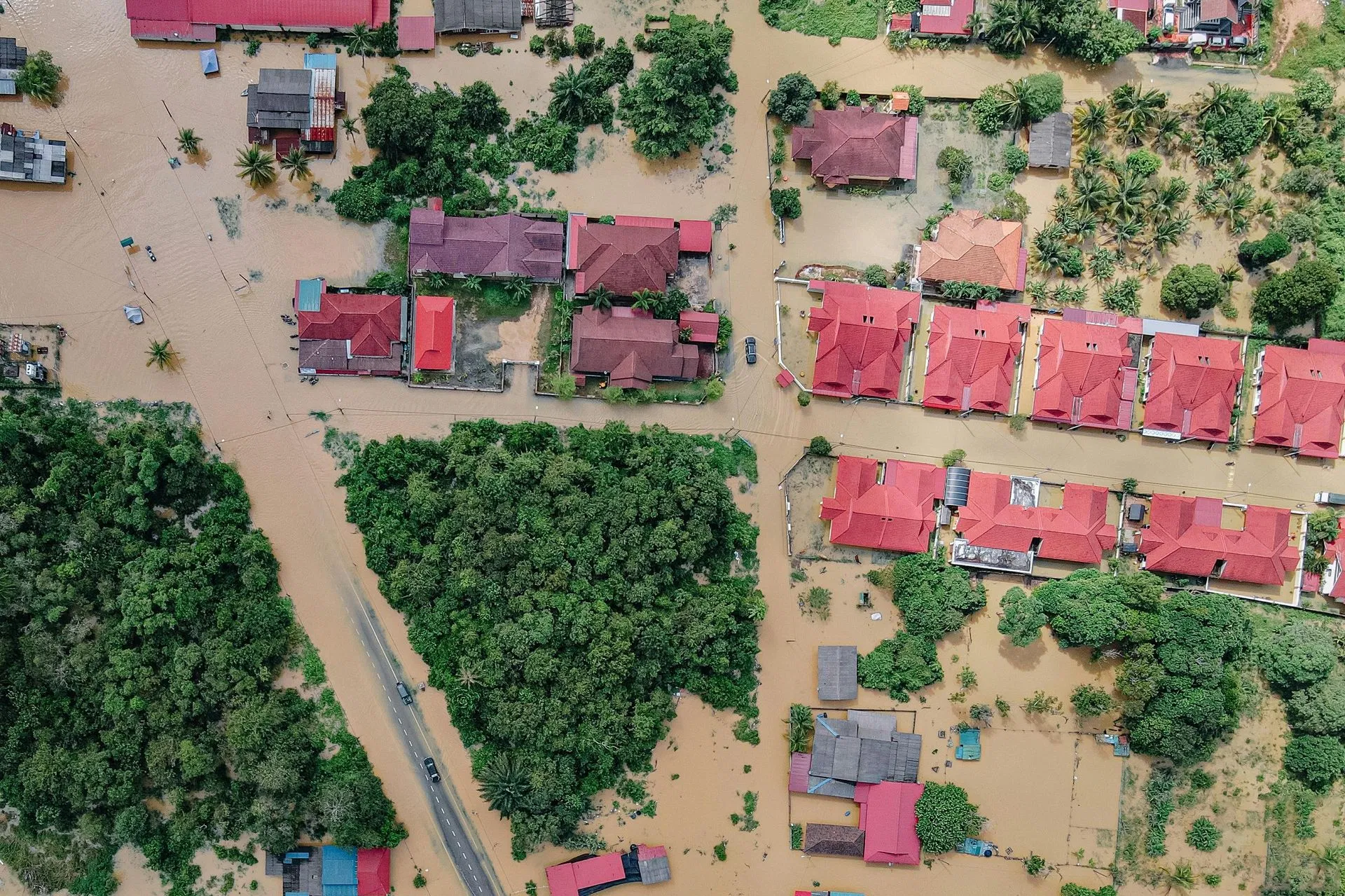
That can be surprising because hurricane damage and flood damage often happen during the same event. Wind may damage your roof, while rising water damages your flooring, walls, appliances, and belongings. Those are usually handled under different policies.
Florida flood insurance is separate coverage. It may be available through the National Flood Insurance Program or a private insurer, depending on your property and circumstances.
Flooding is also not limited to beachfront homes or properties in high-risk flood zones. Heavy rainfall, storm surge, overflowing canals, and poor drainage can affect inland communities, too. Insurance Helpers notes that 25% of NFIP claims come from properties outside high-risk flood zones.
The fix: Request a flood quote even if your lender does not require one. Many flood policies have a waiting period, commonly 30 days, so buying coverage the day before a storm is typically too late.
You can also review your flood zone through the FEMA Flood Map Service Center and learn more about separate coverage through Insurance Helpers’ Florida flood insurance page.
👉 Action step: Add flood insurance to your list of Florida insurance quotes before the next storm threat appears.
3. Never Review Your Hurricane Deductible
When homeowners hear “deductible,” many picture a flat $500 or $1,000 amount.
But your hurricane deductible in Florida may be calculated as a percentage of your dwelling coverage: commonly 2%, 5%, or another policy-specific amount.
For example, if your home is insured for $400,000 and your hurricane deductible is 2%, you may be responsible for the first $8,000 of covered hurricane damage. At 5%, that would be $20,000.
That is a very different financial commitment than a flat $1,000 deductible.
The fix: Find the declarations page of your policy and look for:
- Hurricane deductible
- Named-storm deductible
- Windstorm deductible
- All-other-perils deductible
- Dwelling coverage limit
Ask your agent to explain exactly when each deductible applies. A named-storm deductible may work differently from a hurricane deductible, depending on the policy language and Florida law.
💡 Action step: Do not only ask, “Am I covered?” Ask, “How much would I pay out of pocket after a major storm?”
4. Wait Until a Storm Is Named to Shop for Coverage
This is one of the most expensive timing mistakes you can make.
When a tropical system becomes a named storm, or even when a storm threat becomes serious, insurers may impose binding restrictions or moratoriums. That means you may be unable to:
- Start a new homeowners policy
- Switch carriers
- Increase coverage limits
- Add wind or flood coverage
- Make certain policy changes
The restriction may apply even if the storm is still several days away from Florida.
A quiet season gives you choices. A named storm can take those choices away quickly.
The fix: Shop while the market is open. Compare home insurance in Florida before a storm enters the forecast, not after.
Florida’s insurance market is also showing signs of increased competition in late 2026. In September, the Florida Office of Insurance Regulation approved rate decreases for four insurers:
- One Alliance: 10.4% decrease
- Vyrd: 10.4% decrease
- Safe Harbor: 4.1% decrease
- Unique: 3.2% decrease
Those changes affect more than 62,000 policies and apply at renewal. OIR also reported that the 30-day average requested homeowners rate change was -4.8%. With Citizens shrinking and more than 20 new insurers competing in Florida, insurers are moving from recovery toward rate competition.
That does not guarantee that your premium will fall. But it does mean you should not assume your current carrier is automatically your best option.
👉 Action step: Compare Florida homeowners insurance quotes before November 30, when hurricane season ends.
5. Let Your Policy Lapse for Convenience
A missed payment may seem like a small administrative problem. In Florida, it can create a much bigger insurance challenge.
If your policy lapses, a new insurer may require:
- A new inspection
- Updated roof documentation
- A higher premium band
- Additional underwriting information
- Proof that repairs or maintenance have been completed
- A waiting period before certain coverage applies
Your continuous coverage history can matter when insurers evaluate your home. A lapse may also leave you uninsured during the exact period when a loss occurs.
The fix: Set up automatic payments, confirm your renewal date, and contact your agent before canceling one policy to start another. Never assume a new policy is active until you have written confirmation.
Action step: Keep proof of payment, renewal documents, and policy declarations in one secure location.
6. Fail to Document Your Home Before a Loss
After a hurricane, proving what you owned, and what condition it was in, can become difficult.
Without photos, videos, receipts, or an inventory, your claim may take longer to adjust. You may also forget valuable items or struggle to prove the age and quality of damaged property.
Before storm damage happens, create a simple home record:
- Walk through every room with your phone camera
- Open closets, cabinets, garages, and storage areas
- Photograph appliances, electronics, furniture, tools, and collectibles
- Save receipts for major purchases
- Record model and serial numbers
- Photograph the roof, exterior, windows, and improvements
- Store copies in cloud storage or with a trusted family member
Do not wait for a named storm. You want “before” photos available before the weather turns dangerous.
The fix: Create a 15-minute video walkthrough this week. It does not need to be professional. It needs to be clear, dated, and safely stored.
📸 Action step: Update your inventory annually, especially after renovations or major purchases.
7. Skip Your Annual Policy Review
“I’m covered” is not the same as “my coverage still fits my life.”
Your home, finances, belongings, and insurance market may all change in a year. Maybe you renovated the kitchen, bought expensive electronics, added a pool, started renting the property, or purchased a boat or recreational vehicle.
You may also have opportunities to lower your premium with a different private carrier. Particularly as Florida’s market becomes more competitive.

During an annual review, ask:
- Is my dwelling coverage limit high enough to rebuild today?
- Is my roof age affecting eligibility or pricing?
- Are my personal property limits accurate?
- Do I need scheduled coverage for jewelry or collectibles?
- Is flood insurance included separately?
- Are my hurricane and all-other-perils deductibles affordable?
- Could bundling auto and home reduce the total premium?
- Can I qualify for wind mitigation or protective-device discounts?
- Is a private carrier now a better fit than Citizens?
Do not compare price alone. A lower premium may come with a higher deductible, narrower coverage, or different exclusions. The goal is better value, not simply the smallest number.
The fix: Schedule a policy review before your next renewal. You can start a homeowners quote with Insurance Helpers or book a quote review.
Bottom Line: Use the Quiet Season Before You Need the Coverage
The calm 2026 hurricane season is a welcome break, but it is also a limited planning window.
Before hurricane season closes on November 30:
- Confirm your wind mitigation credits.
- Get a separate flood insurance quote.
- Review your hurricane deductible.
- Compare home insurance in Florida while carriers are still binding coverage.
- Prevent a policy lapse.
- Document your home and belongings.
- Complete a full annual policy review.
A storm can change the insurance market in hours. Your best protection is to make informed decisions while you still have time and options.
👉 Get a free policy review and re-shop your coverage with Insurance Helpers today. Call (813) 580-7899, email quotes@inshelpers.com, or request Florida insurance quotes online before the season closes out.