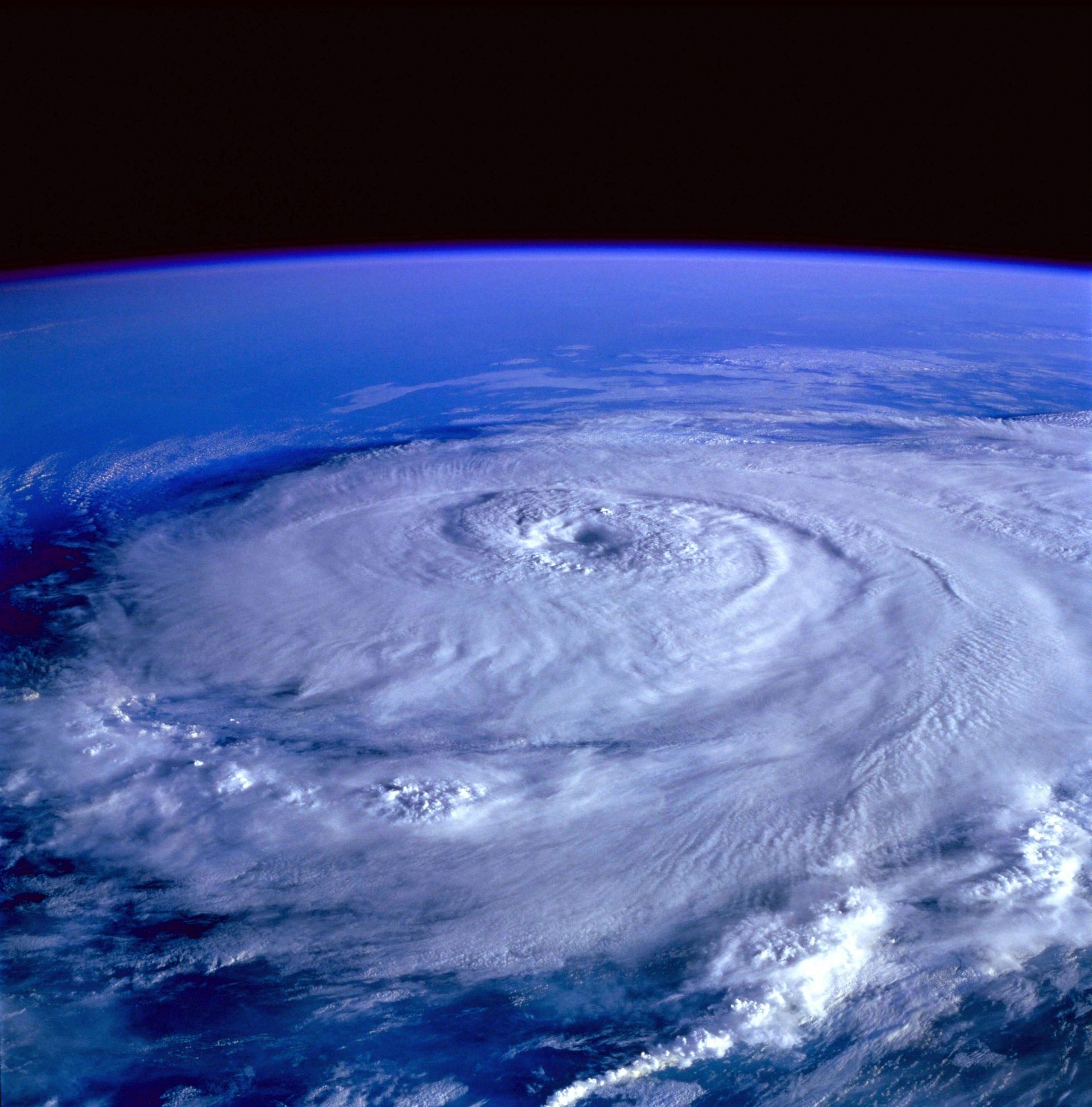

If you live in Florida, you know the sound. It’s that heavy, mid-afternoon rhythmic drumming on your roof that signals another summer thunderstorm has arrived.
Most of the time, it’s just a twenty-minute downpour. But as we head deeper into the 2026 hurricane season, that sound can start to feel a little more stressful, especially if you’re second-guessing your florida flood insurance coverage.
Is your home actually protected? Or are you banking on a "it won't happen to me" strategy that could cost you everything?
In 2026, the landscape of flood insurance in the Sunshine State has shifted dramatically. With new mandates from Citizens Property Insurance and the ongoing federal "lapse" of the National Flood Insurance Program (NFIP), the choice between government-backed and private coverage isn't just a matter of price anymore, it's a matter of availability.
Let’s break down exactly what you need to know to protect your home and your wallet this year.
The 2026 Reality: Why You Might Not Have a Choice
Before we even compare the two, we have to talk about the "Citizens Mandate."
If you are one of the hundreds of thousands of Floridians insured by Citizens Property Insurance, the rules have changed. As of January 1, 2026, if your home has a dwelling replacement cost (Coverage A) of $400,000 or more, you must carry a separate flood insurance policy to keep your Citizens coverage.
👉 Crucial Note: This applies even if you are in a "non-flood zone" like Zone X.
By 2027, this requirement will expand to every Citizens policyholder with wind coverage. The state isn't playing around, they want every home protected from the rising waters that come with our tropical climate.
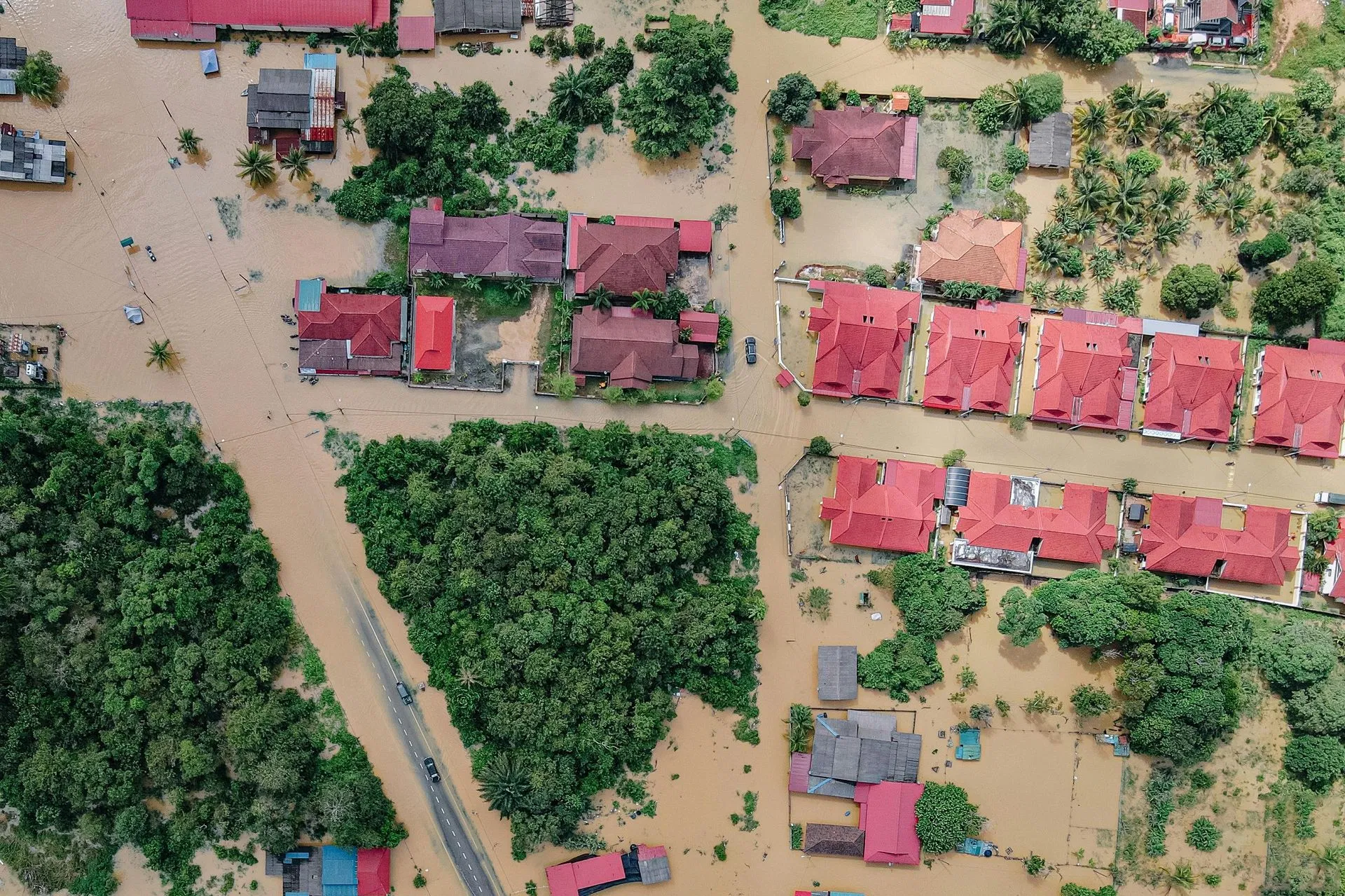
The NFIP: The Traditional (But Currently Stuck) Choice
The National Flood Insurance Program (NFIP) has been the go-to for decades. It’s managed by FEMA and backed by the federal government. For a long time, it was the only game in town.
The Pros of NFIP:
- Government Backing: It’s not going anywhere (theoretically).
- Guaranteed Renewal: As long as you pay your bill, they generally can't drop you.
- Standardized Rates: The "Risk Rating 2.0" system tries to price policies based on your actual property risk.
The Cons of NFIP:
- Coverage Caps: The biggest downside? NFIP caps building coverage at $250,000 for residential properties and contents at $100,000. If your home costs $500,000 to rebuild, the NFIP leaves you halfway underwater, literally.
- The 2026 Lapse: As we stand here in June 2026, Congress has still not reauthorized the NFIP. This means no new policies can be written, and expired policies can’t be renewed until the federal government acts.
- No Living Expenses: If a flood forces you out of your home, the NFIP won’t pay for your hotel or rental. That’s all out-of-pocket.
Private Flood Insurance: The 2026 Powerhouse
While the federal program is in a holding pattern, the private florida flood insurance market has stepped up in a big way. Private carriers are now the primary source of new coverage for Florida homeowners.
The Pros of Private Flood:
- Higher Limits: Unlike the $250k cap of the NFIP, private policies can cover your home's full replacement value, even into the millions.
- Loss of Use Coverage: Many private policies include "Additional Living Expenses" (ALE). If your home is uninhabitable, they’ll help pay for a place for you to stay.
- Shorter Waiting Periods: The NFIP typically has a 30-day waiting period. Many private carriers offer 10-day or even 0-day waiting periods (if you're closing on a new home).
- Replacement Cost for Contents: While NFIP pays "Actual Cash Value" (depreciated) for your stuff, private policies often offer "Replacement Cost," meaning you can actually buy a new couch to replace the soggy one.
The Cons of Private Flood:
- Non-Renewal Risk: Unlike the federal program, a private company can decide not to renew your policy next year if their "risk appetite" changes.
- Market Volatility: Prices can fluctuate more than federal rates based on the previous year's storm activity.

Head-to-Head: Which One Wins for You?
Still not sure which way to lean? Let’s put them side-by-side.
| Feature | NFIP (FEMA) | Private Flood Insurance |
|---|---|---|
| Max Building Coverage | $250,000 | Millions (based on value) |
| Max Contents Coverage | $100,000 | Flexible / Higher limits |
| Additional Living Expenses | ❌ Not included | ✅ Often included |
| Waiting Period | 30 Days | 0 to 14 Days |
| Lender Acceptance | ✅ Always | ✅ Nearly Always (if compliant) |
| Status (June 2026) | ⚠️ Lapse (No new policies) | ✅ Open for Business |
🎯 Pro Tip: If your home is valued above $250,000, the NFIP should only ever be your base layer. You would still need a "private excess" policy to cover the rest of your home's value. In 2026, most people find it simpler to just get one robust private policy.
Dealing with the 2026 NFIP Lapse
We get a lot of calls asking, "What do I do if I need a policy today and the NFIP is lapsed?"
The answer is simple: Don't wait for Congress.
Storms don't wait for federal funding bills. If you are buying a home or your Citizens policy requires proof of flood insurance by July, a private policy is currently your only viable path. The good news? Private florida flood insurance is often more competitive in price for homes that aren't sitting directly on the beach.
How to Choose the Right Policy
Choosing insurance shouldn't feel like a guessing game. Here is how you should approach it:
- Check Your Dwelling Limit: Look at your homeowners policy (Coverage A). Is it over $250k? If yes, look at private options first.
- Verify Lender Requirements: If you have a mortgage, your lender must accept a private policy as long as it meets federal equivalency. We handle that paperwork for you at Insurance Helpers.
- Think About Your "Stuff": Do you have high-value electronics, furniture, or appliances? Private "Replacement Cost" coverage is usually the smarter play.
- Check Your Zone: Even if you aren't in a "high-risk" zone, 25% of all flood claims happen in low-to-moderate risk areas.

Protect Your Future Today
At Insurance Helpers, we’ve seen what happens when homeowners think "it’s just rain." Water damage is the single most expensive type of claim most people will ever face, and your standard homeowners insurance doesn't cover it.
Whether you need to satisfy a Citizens requirement or you just want the peace of mind knowing your family’s sanctuary is safe, we’re here to help you navigate the 2026 market.
The best time to buy flood insurance was yesterday. The second best time is today: before the next tropical system gets a name.

The Bottom Line
In 2026, private flood insurance is the clear winner for most Florida homeowners due to higher limits, better coverage features, and the current NFIP federal lapse. If you're a Citizens policyholder with a home valued at $400k+, you need to act now to stay compliant.
👉 Ready to see your options? Click here to get a Florida flood insurance quote and let’s make sure you’re protected before the next clouds roll in.
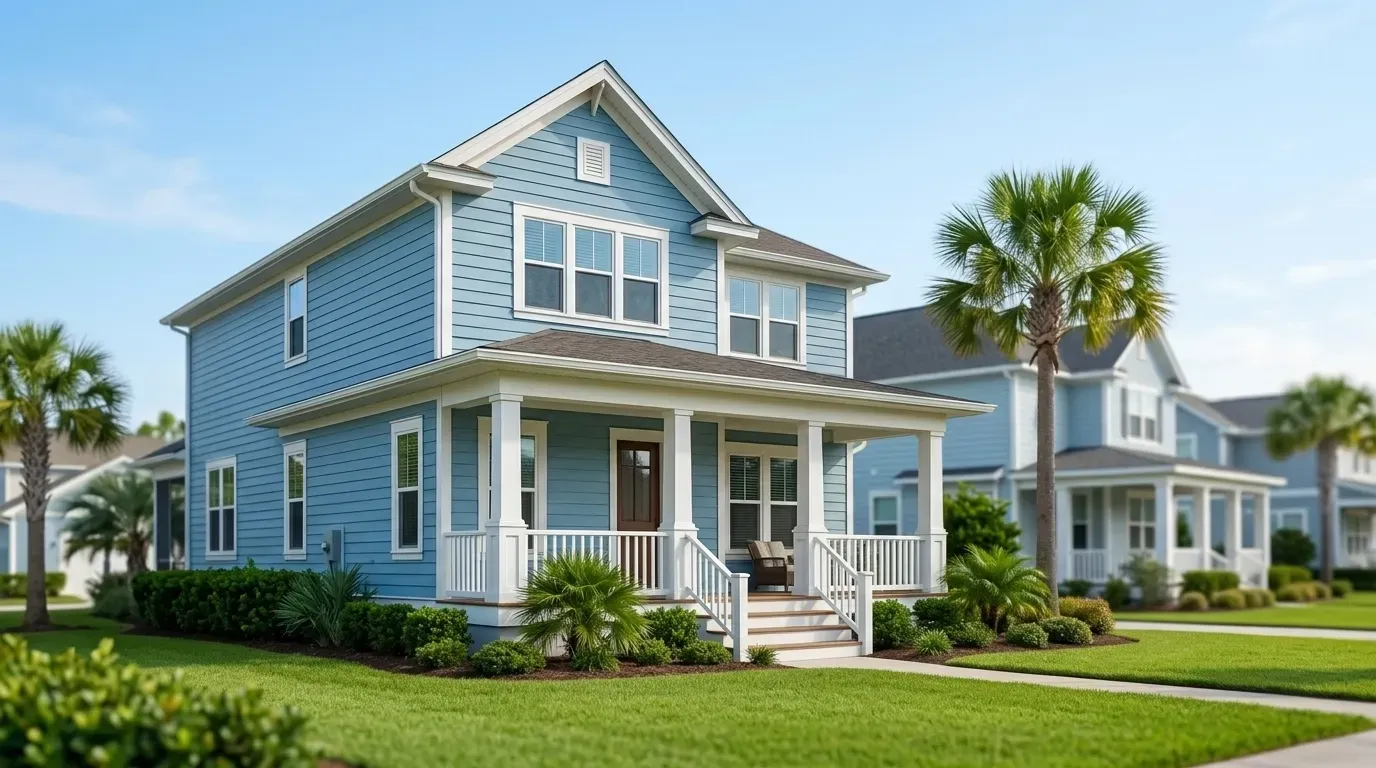
Post Tags: Florida Flood Insurance, NFIP vs Private Flood, Citizens Insurance Requirements, Florida Homeowners, Hurricane Season 2026 Image Alt Text: Modern Florida home with palm trees and a bright lawn, illustrating professional Florida flood insurance protection. Meta Description: Compare NFIP vs. Private Flood Insurance in Florida for 2026. Learn about the Citizens mandate, NFIP lapse, and how to get the best florida flood insurance.