
You’ve probably heard the rumors floating around the neighborhood or seen the notices in your mailbox.
"Is flood insurance mandatory now?" "I’m not in a high-risk zone, so why do I need it?" "Wait, my home insurance doesn't cover water?"
If you’re a policyholder with Citizens Property Insurance Corporation, the state’s insurer of last resort, the answer isn't just a "maybe" anymore. It’s a requirement. And with hurricane season right around the corner, waiting to find out where you stand is a gamble you can’t afford to lose.
At Insurance Helpers, we’re seeing a surge of calls from Florida residents who are confused by these new mandates. We’re here to clear the air, break down the 2026 requirements, and help you protect your biggest investment without the headache.
The New Reality: Citizens’ Mandatory Flood Insurance
For years, many Floridians skipped Florida flood insurance because they weren't in a "Special Flood Hazard Area" (the dreaded zones starting with A or V).
That era is officially over.
The Florida Legislature has implemented a phased-in requirement that eventually forces every single Citizens policyholder to carry flood insurance, regardless of where their home is located on a map.
What changes in 2026?
We are currently in the middle of this multi-year rollout. Here is the breakdown of who needs coverage right now:
- As of January 1, 2026: All Citizens policyholders with dwelling coverage (Coverage A) of $400,000 or more must have a separate flood insurance policy to maintain their wind coverage.
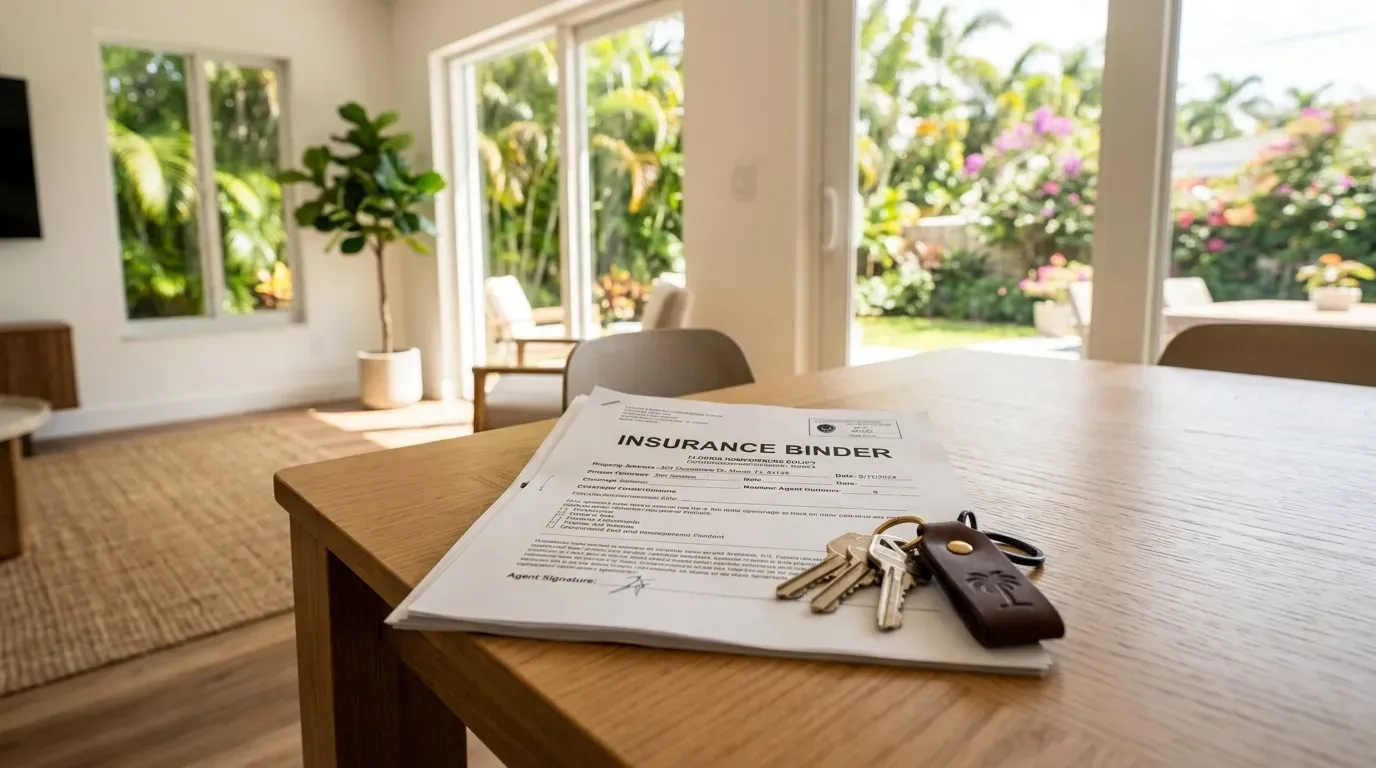
- The Big Deadline: If you don't provide proof of flood insurance by your renewal date in 2026, Citizens will likely non-renew your policy.
👉 Don't ignore the $400k mark. If your home’s replacement value has increased due to inflation or renovations, you might have crossed this threshold without even realizing it.
Looking Ahead to 2027
Think you’re safe because your home is valued at $350,000? Think again.
By January 1, 2027, all Citizens policyholders, no matter the home value or flood zone, will be required to carry flood insurance. This is a massive shift in how we protect Florida property, and it’s happening faster than most people think.

Why Is This Happening Now?
Florida is the most hurricane-prone state in the country. We all know that. But here’s the kicker: Standard homeowners insurance does not cover flood damage.
During recent storms like Ian and Idalia, thousands of homeowners found out the hard way that "water rising from the ground" is treated differently than "water coming through a hole in the roof."
The Hurricane Season Factor
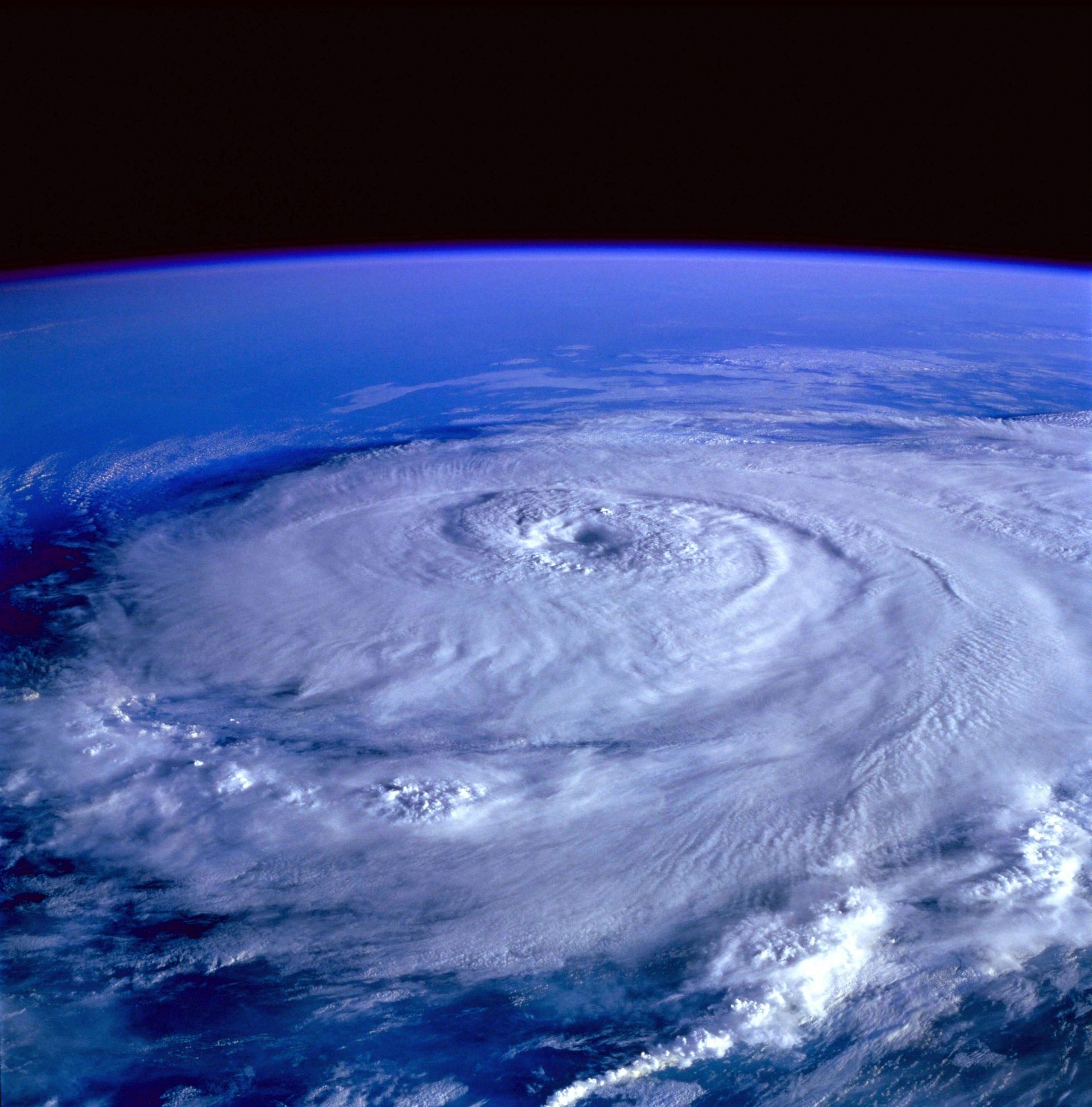
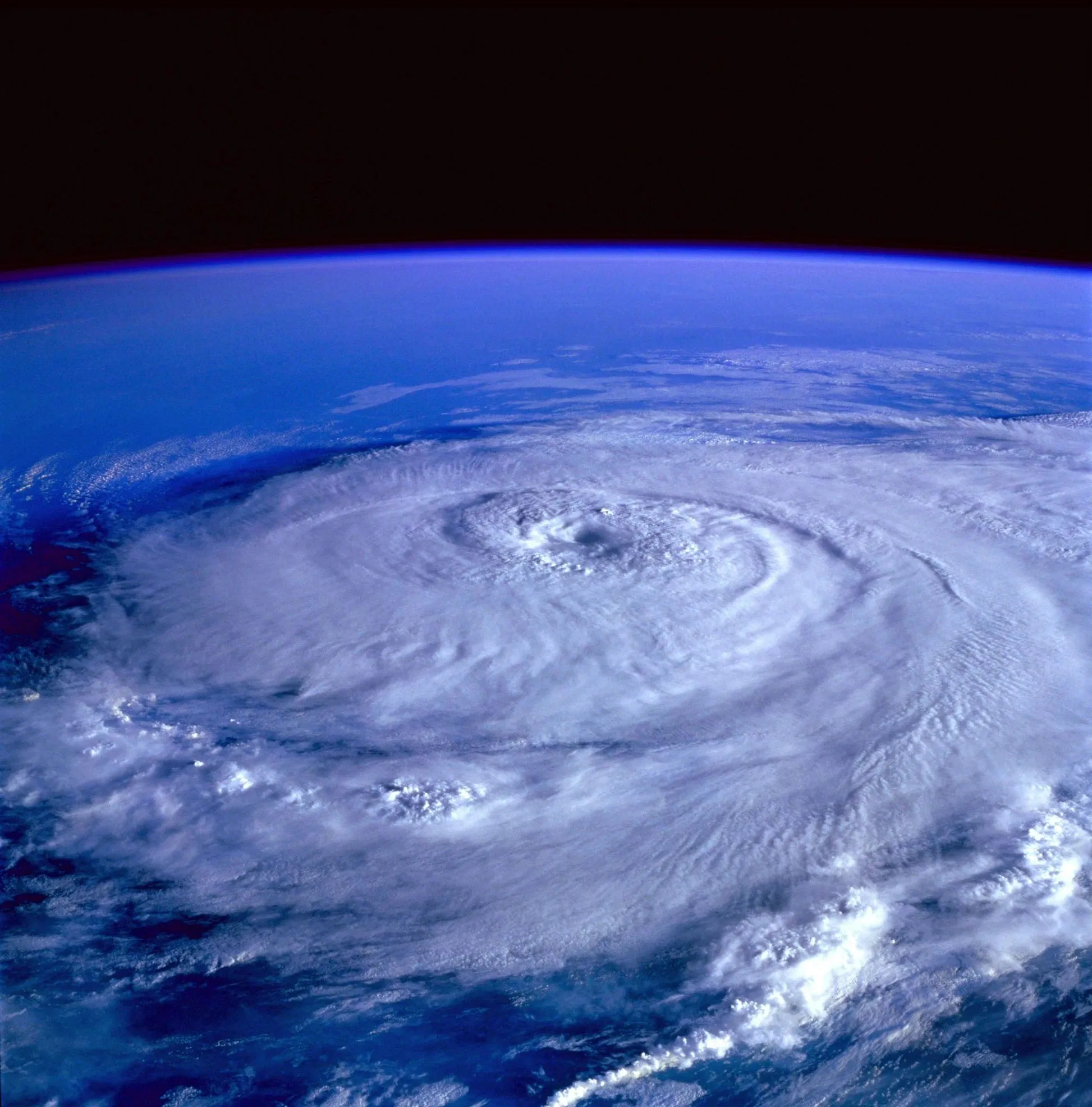
Hurricane season starts June 1st. In Florida, that isn't just a date on the calendar: it’s a countdown.
- Wait Times: Most flood insurance policies, especially those through the National Flood Insurance Program (NFIP), have a 30-day waiting period.
- The "Box" Effect: Once a storm is officially named or enters a certain geographic "box" in the Atlantic, insurance companies often stop issuing new policies entirely.
If you wait until a tropical depression is spinning in the Gulf to call us, it’s probably too late. You can read more about these 5 insurance mistakes homeowners can’t afford to make to see how to stay ahead of the game.
"But I'm Not in a Flood Zone!"
This is the most common phrase we hear at Insurance Helpers.
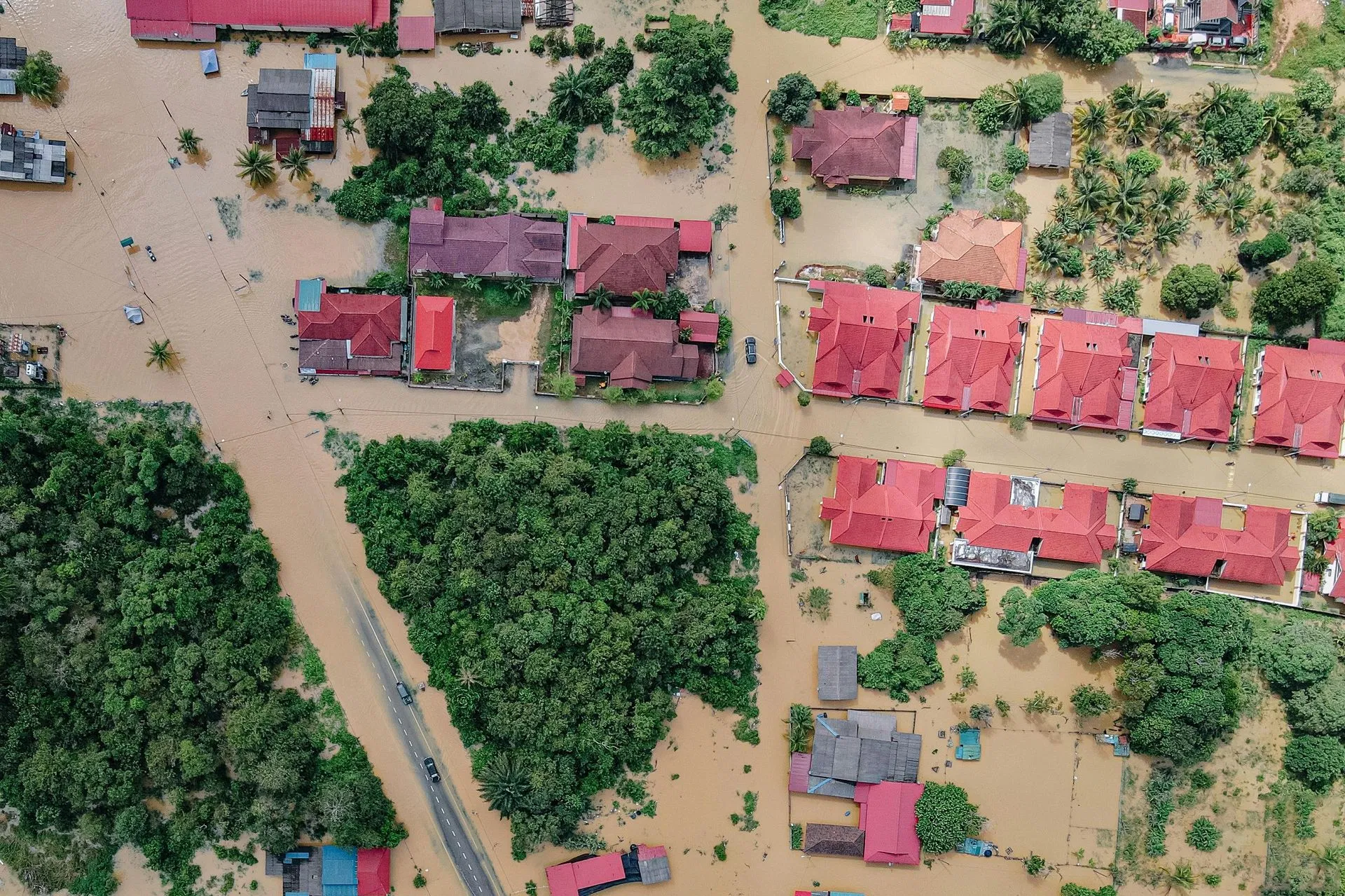
Here is the truth: Every home in Florida is in a flood zone. The question is whether your zone is "high-risk" or "low-to-moderate risk."
🎯 Did you know? Over 25% of all flood insurance claims come from areas that aren't considered high-risk.
In Florida, "flooding" can happen from:
- Storm Surge: Ocean water pushed inland by a hurricane.
- Heavy Rainfall: Tropical downpours that overwhelm local drainage systems.
- Lake Overflow: Inland lakes and canals reaching capacity during a wet summer.
If it can rain at your house, it can flood at your house. It’s that simple.
NFIP vs. Private Flood: Which Is Right for You?
When you go to buy Florida flood insurance to satisfy the Citizens requirement, you generally have two paths:
1. The National Flood Insurance Program (NFIP)
This is the government-backed program managed by FEMA.
- Pros: It’s reliable and available to everyone.
- Cons: Coverage is capped at $250,000 for the structure. If your home costs more than that to rebuild, you’re underinsured.
2. Private Flood Insurance
The private market has exploded in Florida over the last few years.
- Pros: Often offers higher limits, faster claim processing, and sometimes lower premiums for homes in low-risk areas.
- Cons: Not every private carrier is accepted by Citizens.
👉 Important: To satisfy the Citizens requirement, your private flood carrier must be A-rated or meet specific state standards. Don't worry: at Insurance Helpers, we know exactly which ones qualify so you don't have to guess.
How to Get Compliant (And Stay Protected)
Navigating these changes doesn't have to be a nightmare. We’ve streamlined the process for our clients to make sure they meet the Citizens mandate without overpaying.
Step 1: Check Your Dwelling Coverage
Pull out your current Citizens policy. Look for "Coverage A." If that number is $400,000 or higher, you need to act now.
Step 2: Get Multiple Quotes
Don't just take the first quote you find. We compare the NFIP with top-rated private carriers to see who offers the best bang for your buck.
Step 3: Bundle and Save
While flood insurance is usually a separate policy, having your auto, home, and flood managed by one agency (like us!) means you have one point of contact when disaster strikes. No more being shuffled between five different call centers.
The Insurance Helpers Advantage
We aren't just a website with a form. We are local experts who live and breathe Florida insurance.
We know that navigating flood insurance can feel overwhelming, especially with the state constantly changing the rules. Whether you’re a homeowner, a renter, or a condo owner, our mission is to make insurance simpler, more accessible, and tailored for you.
We support you through everything: from minor leaks to major hurricane damage.

Bottom Line
The clock is ticking on the Citizens flood insurance mandate. If your dwelling coverage is over $400k, 2026 is your year to get covered. If it's under $400k, 2027 is your deadline.
But beyond the "rules," think about the peace of mind. Florida weather is unpredictable. Having a flood policy isn't just a box to check for Citizens: it’s the only way to truly protect your home from the most common natural disaster in the state.
Ready to see your options?
👉 Click here to get your Florida flood insurance quote today or call us to speak with an agent who actually knows your neighborhood. Let’s get you protected before the first storm of the season arrives.